The Pattern I Couldn’t Unsee
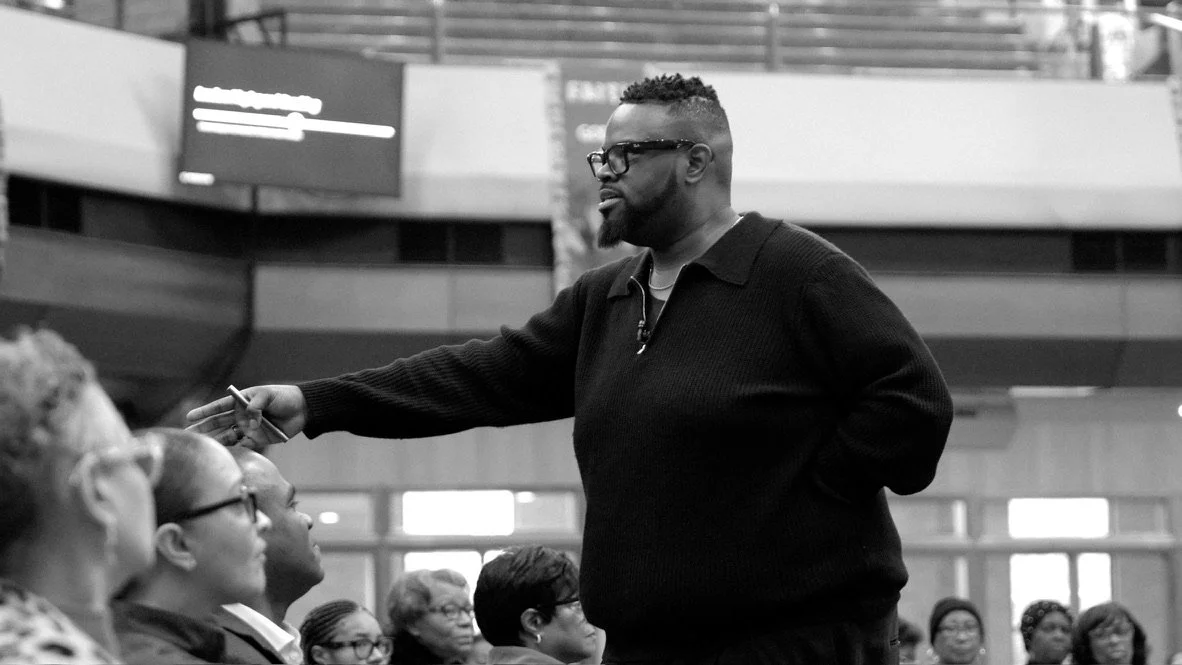
Keynote lecture “The 4 Phases of Growth” at a leadership conference - Greater Allen Cathedral - Queens, NY - February 2026
Written by Sheldon J. Andrus III
In Q1 of 2026, I met with 128 church leaders.
Every kind of church you can imagine.
Church plants. Traditional churches. Mega churches. Churches of 60. Charismatic. Reformed. Prophetic. Denominational. Non-denominational. Unaffiliated. Black, White, Latino, Nigerian, Ghanaian, Kenyan. CCM, Gospel, Country. Portable churches. Historic churches. Churches meeting in repurposed retail spaces.
All. Types. Of. Churches.
And after sitting across from that many leaders, in that many contexts, one thing became crystal clear:
Not a single church had a gathering problem.
People were coming.
Not a single church had a doctrinal problem.
They were clear on their calling. They believed in the mission of Jesus. They preached Christ, created welcoming environments, and offered real moments of connection and community.
These were not broken churches.
But 96% of them shared the same problem.
And once I saw it, I couldn’t unsee it.
Only 6 out of 128 churches—just 4%—said they were confident in their system for moving people from spectating to participating.
The overwhelming majority lacked a dependable, measurable process that moved people toward belonging each week.
They had pieces.
Connect cards. QR codes. Info booths. New member classes. Assimilation tracks. “Party with the Pastor.” Volunteer teams. Discipleship groups.
Good intentions. Real effort. Thoughtful programs.
But very little consistent movement.
Which raises the question:
Why?
Why are people attending but not sticking?
Why are people spectating but not serving?
Why is the volunteer team a faithful few?
Why does giving lag behind attendance?
Why do spiritually healthy, biblically grounded churches still struggle to move people into participation?
My diagnosis is simple:
There is no clearly identified, dependable first step.
Not monthly.
Not occasionally.
Not mixed in with three other options.
Not months long.
Not an administrative hurdle.
Not awkward.
Not confusing.
A real first step is:
Clear.
Weekly.
Cyclical.
And positioned at the emotional peak of the Sunday experience.
What most churches are missing is not more energy.
They’re missing a cadence.
A system that consistently moves people from attending to belonging to serving.
The Philosophy Behind the First Step Playbook
Once I named the problem, the next question became:
What actually works?
Not in theory.
Not in one church.
Not for one season.
What works every week, across contexts, for real people?
The answer wasn’t more complexity.
It was clarity, consistency, and structure.
1. The 3-Step Process
People don’t need ten options.
They need a clear path.
That path breaks into three movements:
Step 1: Value Before Vision
Before people commit, they need to understand what this church means for them.
Not what you need from them.
What God wants for them.
A relationship with God.
Spiritual community.
A life of purpose.
If people don’t experience value, they won’t move toward vision.
Step 2: Discovering Your God Design
This is where the Church offers something no other institution can.
Helping people answer:
“Why am I wired this way?”
Not personality.
Calling.
When people realize they are designed—not random—they begin to lean in.
Step 3: From Discovery to Belonging
Insight must turn into action.
This step connects people into environments—not just roles—where they can belong and contribute.
Not filling a gap.
Finding a fit.
Because people don’t give their lives to tasks.
They give their lives to purpose.
2. The Weekly Cadence
Most churches treat next steps like an event.
Something that happens:
once a month
occasionally
when it’s convenient
But people don’t move toward inconsistency.
They move toward predictability.
The First Step system runs:
Every Sunday.
Same place.
Same time.
Same structure.
Same language.
Consistency builds confidence.
And confidence creates movement.
3. Service Prioritization
When everything is a next step…
Nothing is.
The First Step Playbook focuses on one primary outcome:
Sunday serving.
Because Sunday creates:
immediate rhythm
consistent proximity
real relationships
visible contribution
It places people inside the life of the church—quickly.
Serving isn’t the end goal of discipleship.
But it is one of the fastest on-ramps into it.
4. The 3% Metric
Healthy systems don’t just feel right.
They produce movement you can measure.
A simple indicator:
Around 3% of your Sunday attendance should be in First Steps each week.
Not as pressure.
As visibility.
When it’s low:
something is unclear
something is hard to find
something isn’t working
When it’s strong:
your system is capturing momentum
your invitation is clear
your experience feels safe
Because when you don’t measure movement…
People don’t just slip through.
They disappear.
Bringing It All Together
The First Step Playbook is built on one idea:
Movement should be predictable.
A simple 3-step path.
A weekly cadence.
A clear priority.
A measurable outcome.
No complexity.
No constant reinvention.
Just a system your church can run every week.
Why I Built This
And I’ll be honest.
This didn’t start as a product.
It started as a problem I couldn’t ignore.
I wanted to help all 122 of those churches immediately.
I wanted to give them something they could implement this Sunday.
I wanted to equip not just the pastor, but the #2 leader, the team leader, and the team member at the same time.
Because this isn’t a one-time fix.
It’s a shift in how a church thinks, operates, and moves people.
It required something deeper.
A philosophy.
A system.
A structure.
The Solution
That’s why I created the First Step Playbook.
Not as content to consume.
But as a system to install.
What’s Inside the First Step Playbook
15 complete modules that walk you from diagnosis to full system build
40+ practical resources, scripts, and templates your team can use immediately
A step-by-step implementation guide to install this in your church quickly
Leader Tracks for Pastors, Directors, and Team Leaders—so everyone knows their role
A fully built 3-step weekly pathway your church can run every Sunday
Final Word
Churches don’t just need people to come.
They need people to move.
Because people don’t drift into discipleship.
They move into it—one clear step at a time.
And if the Church is serious about making disciples…
We have to be just as serious about building systems that actually move people.